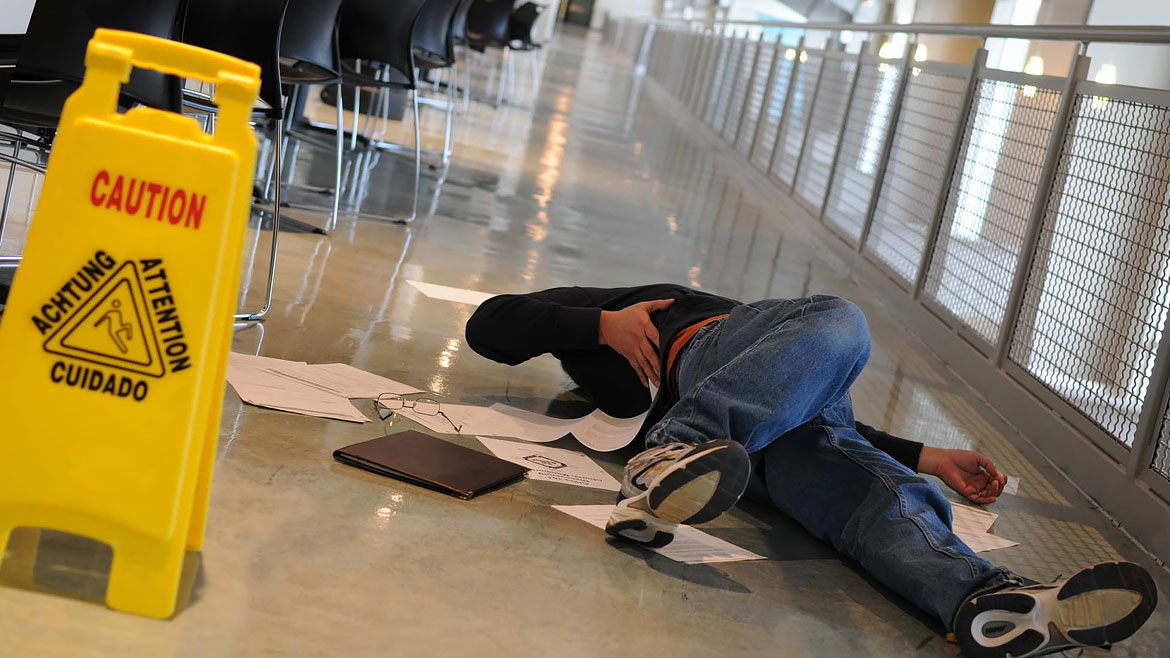
A Florida court has ruled that a Burger King franchise must pay nearly $8 million in damages to a customer who claimed to have suffered a severe back injury after slipping on a wet floor in one of the restaurant’s locations. The incident, which occurred in 2019, has drawn attention due to the size of the settlement and the legal implications it holds for businesses in the hospitality industry. The plaintiff, whose identity has been kept confidential, alleged that the restaurant failed to maintain a safe environment for customers, resulting in his injury.
The case began when the plaintiff, a 52-year-old man, visited the Burger King restaurant for a routine meal. According to the lawsuit, he slipped on a wet area near the restaurant’s restroom, which had been left unattended and unmarked. The customer suffered significant back pain following the fall, and medical professionals later diagnosed him with a herniated disc, which required surgery and an extended period of physical therapy. The victim claimed the restaurant was negligent in not addressing the hazard and failed to warn him about the potential danger.
The jury in the case found that Burger King’s franchisee was at fault, deciding that the restaurant had not exercised proper care to ensure the safety of its patrons. Evidence presented during the trial showed that the wet area had been left unattended for an extended period, and there were no signs to warn customers of the potential slip hazard. The restaurant had been aware of the risk but had not promptly rectified the issue.
In addition to compensation for medical expenses and lost wages, the court awarded significant punitive damages, reflecting the severity of the restaurant’s neglect. Punitive damages are designed to punish the defendant and deter similar conduct in the future. The jury found that the Burger King franchisee’s failure to address the hazard was reckless and contributed to the victim’s ongoing pain and suffering.
This ruling has sparked debate in legal circles about businesses’ responsibility to maintain safe premises. Legal experts point out that the case is an example of a growing trend in personal injury lawsuits, where businesses are being held accountable for unsafe conditions that lead to accidents. The decision is expected to set a precedent for future cases involving slip-and-fall accidents, especially in the restaurant industry, where hazards such as wet floors and unmarked obstacles are common.
While some have expressed concern over the large settlement amount, others argue that it is a necessary step in ensuring that businesses take customer safety seriously. The ruling underscores the importance of adhering to safety regulations and highlights the potential financial consequences of failure. It also serves as a reminder to consumers that they have legal recourse if injured due to a business’s negligence.
Burger King has not yet publicly commented on the decision, but the franchisee is reportedly considering an appeal. The restaurant chain is also facing increased scrutiny over its practices, with critics calling for more stringent safety protocols in its locations nationwide. As the case continues to make headlines, it will inspire further discussions on how businesses can improve safety measures to prevent accidents and protect customers.